In short
- Dry season (May–September) is best for safe road conditions.
- Rainy season (October–April) shows working ancient drainage.
- Pack rain gear and warm layers for the 3,180m altitude.
In this article
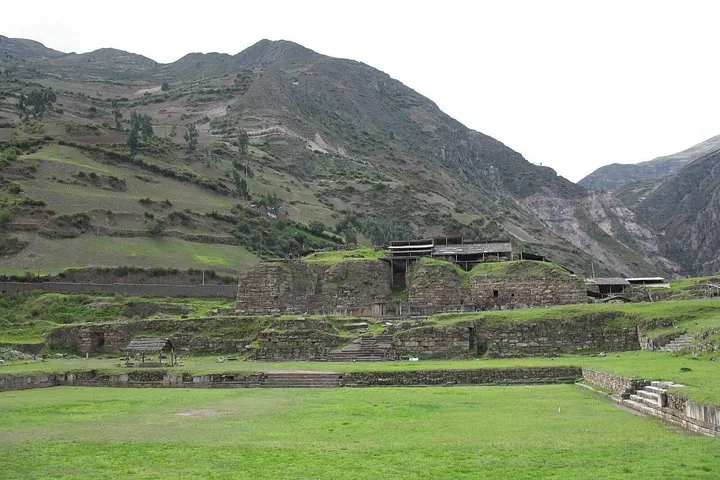
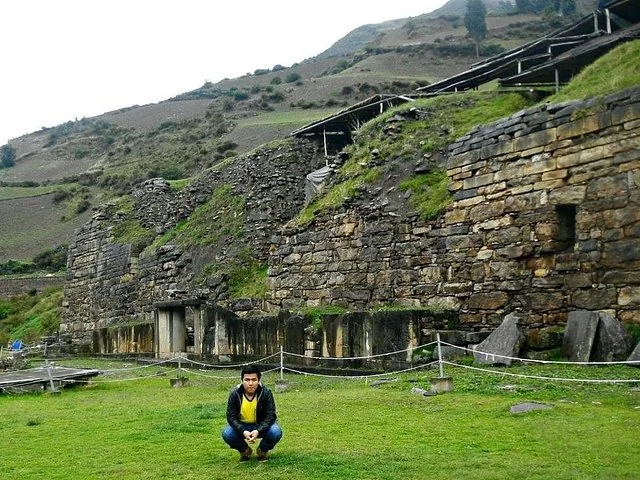
Chavín de Huántar sits at an elevation of 3,180 meters (10,433 feet) in the Andes. The 109-kilometer (67-mile) drive from Huaraz crosses high mountain passes. Weather dictates road safety and your experience at the ruins.
Why visit Chavín de Huántar during the dry season?
The dry season from May to September provides the safest travel conditions.
During these months, you face less risk of rain. Clear skies make the 3-hour mountain drive from Huaraz safer. The winding road reaches 4,516 meters (14,816 feet) at the Cahuish Tunnel. Dry roads reduce delays and motion sickness risks.
What is Chavín de Huántar like in the rainy season?
Rain is common from October through April, making the mountain roads more difficult to navigate.
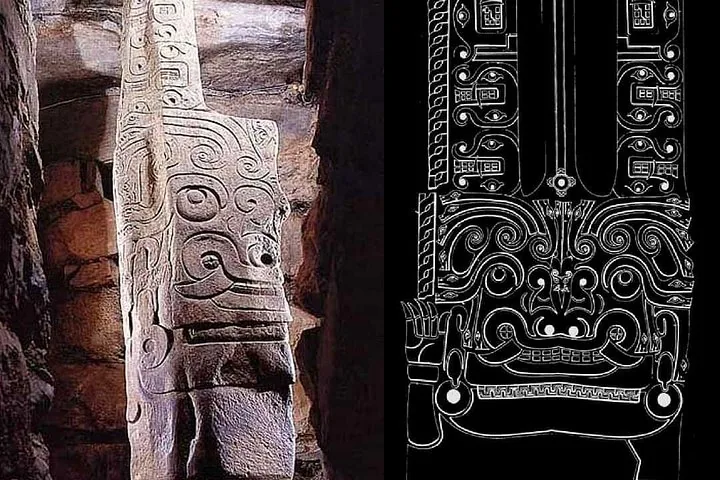
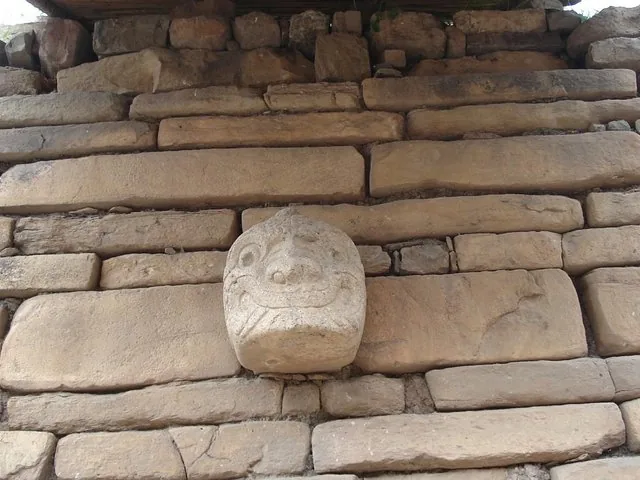
However, heavy rain reveals a unique feature of the ruins. The 3,000-year-old underground galleries have complex drainage systems. During wet months, you can see how these water channels still function perfectly today. You will need a rain jacket or poncho.
How cold does it get at Chavín de Huántar?
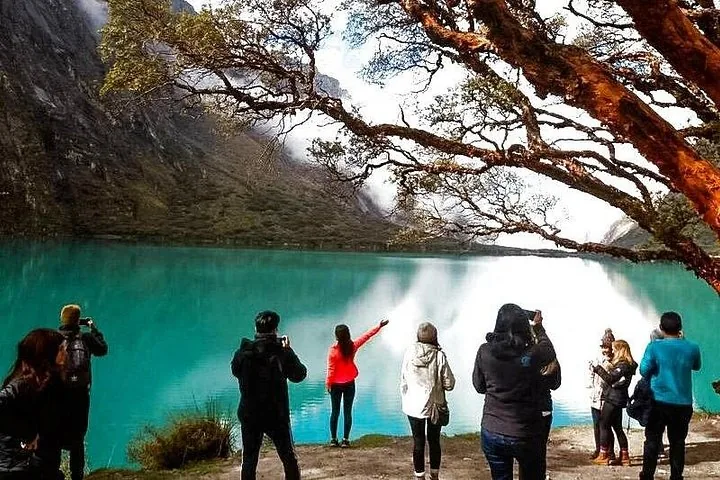
The site sits high in the Andes, so temperatures remain cool year-round.
Intense UV rays hit the site during the day. However, high-altitude winds make it chilly. The subterranean passageways are damp and cold. Pack warm layers like a fleece or jacket for exploring the underground areas.
Should I go in the dry or rainy season?
Choose the dry season for straightforward travel and the rainy season for archaeological engineering.
Most travelers prefer the dry months to avoid road hazards. If you go in the wet season, book an experienced driver.
How does weather affect tours from Huaraz?
Rain and mud can delay the 2.5 to 3-hour journey from Huaraz.
Guided tours use buses or vans. In the dry season, the schedule is reliable. During the rainy season, you might experience delays at the Cahuish Tunnel. Independent travelers using colectivos face fluid return schedules when weather turns bad.
What should I pack for the weather at Chavín de Huántar?
Bring layers, sun protection, and plenty of drinking water regardless of the month.
- Clothing: Sturdy walking shoes with good grip for uneven stone paths.
- Sun gear: Sunscreen, sunglasses, and a wide-brimmed hat.
- Health: Motion sickness medication for the mountain drive.
Questions travellers ask
Is Chavín de Huántar open year-round?
Yes, the archaeological site and museum are open Tuesday to Sunday from 9:00 AM to 4:00 PM throughout the year.
Do I need a tour guide during the rainy season?
A guide helps explain the ancient drainage systems. Tours also provide reliable transport when roads are slick.
Are the underground galleries flooded in the rain?
No. The Chavín culture built advanced drainage channels from around 1200 B.C., in use until about 500 B.C. These systems still drain water away effectively today.